




Interior Designer | Artist | Founder, Nirali Design Studio | Educator, Anant National University
In a world where swipes, reels, and rapid consumption dominate the learning environment, one truth stands out: Gen Z doesn’t need more instructions—they need experiences. As an interior designer and educator, I’ve spent over a decade navigating how education must evolve to resonate with these fast-growing teen adults living in a tech-driven, hyper-connected reality.
Gone are the days when knowledge alone guaranteed success. Today, it’s about shaping individuals who carry not just degrees but also a sense of responsibility, ownership, and cultural awareness. My journey into education wasn’t a linear one—it transformed when I realized the most meaningful student engagement came not from lectures, but from hands-on projects that demanded reflection, accountability, and creativity.
A Turning Point in Education
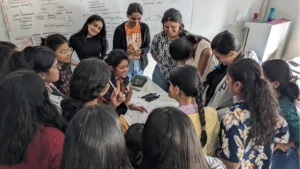
The spark that changed my teaching philosophy ignited in a design classroom. I noticed how students—who would otherwise be passive in theory classes—came alive during experiential workshops. Whether it was crafting a community furniture prototype or solving a real-world design problem, these projects gave them a sense of purpose. Their confidence grew, their questions became deeper, and they began taking responsibility for their work.
That’s when I knew: education isn’t about telling students what to do—it’s about giving them opportunities to discover who they are through what they do.
Three key takeaways have shaped my approach since then: First, learning deepens when it is rooted in hands-on experience, not just passive listening. Second, students engage more meaningfully when they see the real-world impact of their ideas. And third, reflection is as essential as action—it’s what transforms making into understanding.
Struggles Along the Way
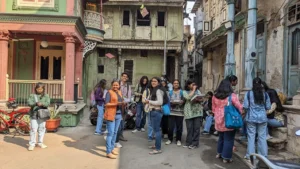
The shift, however, wasn’t easy. Traditional academia still relies heavily on instruction-heavy models. Convincing institutions and even students to embrace the unfamiliar path of experiential learning came with resistance. Gen Z may be digital natives, but they often struggle to pause and reflect. Helping them slow down, connect with cultural values, and find meaning in their work required persistent efforts.
But slowly, the transformation was visible. Students started thinking beyond grades. They began valuing process over product, collaboration over competition. And most importantly, they began owning their learning journey.
Achievements that Reflect the Impact
The results of this shift in teaching approach have been immensely rewarding. I’ve developed experiential frameworks that blend practical design learning, cultural relevance, and reflection practices—models that now serve as the backbone of my classroom and workshops.
Recognition followed. I was humbled to receive the Indian Icon Award for Innovative Educator in Interior Design, represent India at the Smart Cities program in Tel Aviv, and be featured in Femmetimes Magazine’s “Inspiring Women of Independence 2024”. But these milestones matter most because they validate a belief: that education can be transformative when rooted in experience, not just instruction.
Teaching Gen Z: Not Just Learners, But Changemakers
At my studio, Nirali Design Studio, and as a professor at Anant National University, I treat my students as collaborators, not just learners. Gen Z is more aware, more vocal, and more socially conscious than any generation before them. When we respect that and give them room to lead, they rise.
They don’t need to be spoon-fed. They need to be challenged. They need to be entrusted with real problems, not just textbook examples. They need cultural grounding, not just trend-following. By involving them in real-time decision-making, community projects, and cultural explorations, we help them become adults who care—not just about careers, but about the world around them.
Vision for the Future
My motivation remains rooted in the desire to shape value-driven, reflective, and innovative young adults. My goal is to see classrooms evolve into creative studios, workshops, and community hubs—where learning is lived, not memorized.
We are not preparing students just for jobs—we’re preparing them for life. When we treat them as responsible individuals, we empower them to not only find their voice but also use it meaningfully.
Follow my journey and student-led projects at Nirali Design Studio.
For collaborations, reach out at niralee3112@gmail.com
Anant National University, Ahmedabad.

