



ACL Rehabilitation After Injury or Surgery
A Structured Load-Progression Model for Functional Recovery in High-Demand Individuals
Anterior Cruciate Ligament (ACL) injuries remain one of the most consequential causes of knee instability in active and high-functioning adults. Whether managed through ACL reconstruction surgery or conservative treatment pathways, long-term outcomes are determined less by the procedure itself and more by the structure of rehabilitation that follows.
ACL rehabilitation is not merely about regaining range of motion or rebuilding isolated strength. It is about restoring progressive load tolerance, neuromuscular integrity, and operational durability under real-world mechanical demand.
Why Many ACL Rehabilitation Programs Underperform Despite advances in surgical technique, return-to-activity setbacks remain common. Frequent failure points include premature dynamic loading, timeline-based progression instead of capacity-based advancement, inadequate deceleration mechanics training, and insufficient fatigue-state stability testing.
Surgery Repairs Structure. Rehabilitation Restores Function. ACL reconstruction restores structural stability. However, structural repair does not automatically translate into functional resilience.
Return to high-demand environments requires progressive load sequencing, multi-planar neuromuscular coordination, controlled deceleration mechanics, fatigue-state joint stability, and psychological movement confidence.
Can ACL Tears Be Managed Without Surgery? In selected cases, structured non-surgical ACL rehabilitation may be appropriate when functional instability is limited and progressive neuromuscular control can be restored. The determining factor is not imaging alone, but functional control under progressive mechanical demand.
A Structured Load-Progression Continuum Effective ACL rehabilitation requires a sequenced, capacity-based progression: 1. Reactive Load Control – Early modulation of irritability while preserving activation. 2. Isometric Stability Development – Co-contraction strategies restoring joint confidence. 3. Progressive Strength Sequencing – Posterior chain integration and frontal-plane control. 4. Dynamic Stability & Deceleration Control – Rotational mechanics and eccentric dominance. 5. Conditioning & High-Demand Reintegration – Fatigue resilience and tolerance testing. Progression must remain capacity-driven rather than calendar-driven.
Return to High-Demand Function Strength symmetry alone does not ensure readiness. True return-to-performance requires tolerance testing under progressive mechanical stress conditions and fatigue environments. Clearance decisions should reflect demonstrated load durability rather than time-based milestones.
Discreet, Controlled Rehabilitation for High-Demand Individuals For executives and high-profile individuals, ACL rehabilitation may require confidential consultation structures, precision-based load progression, and controlled clinical environments prioritizing discretion and operational reliability.
Clinical & Referral Collaboration Structured ACL rehabilitation benefits from coordinated communication between orthopedic surgeons, rehabilitation specialists, and performance reintegration professionals. This framework is designed for controlled environments where assessment-driven progression and interdisciplinary coordination are prioritized.
The LCMSC–Sharma Protocol provides a structured load-sequencing continuum integrating surgical and conservative recovery pathways to ensure that structural repair translates into functional durability under real-world mechanical demand.
Author Bio
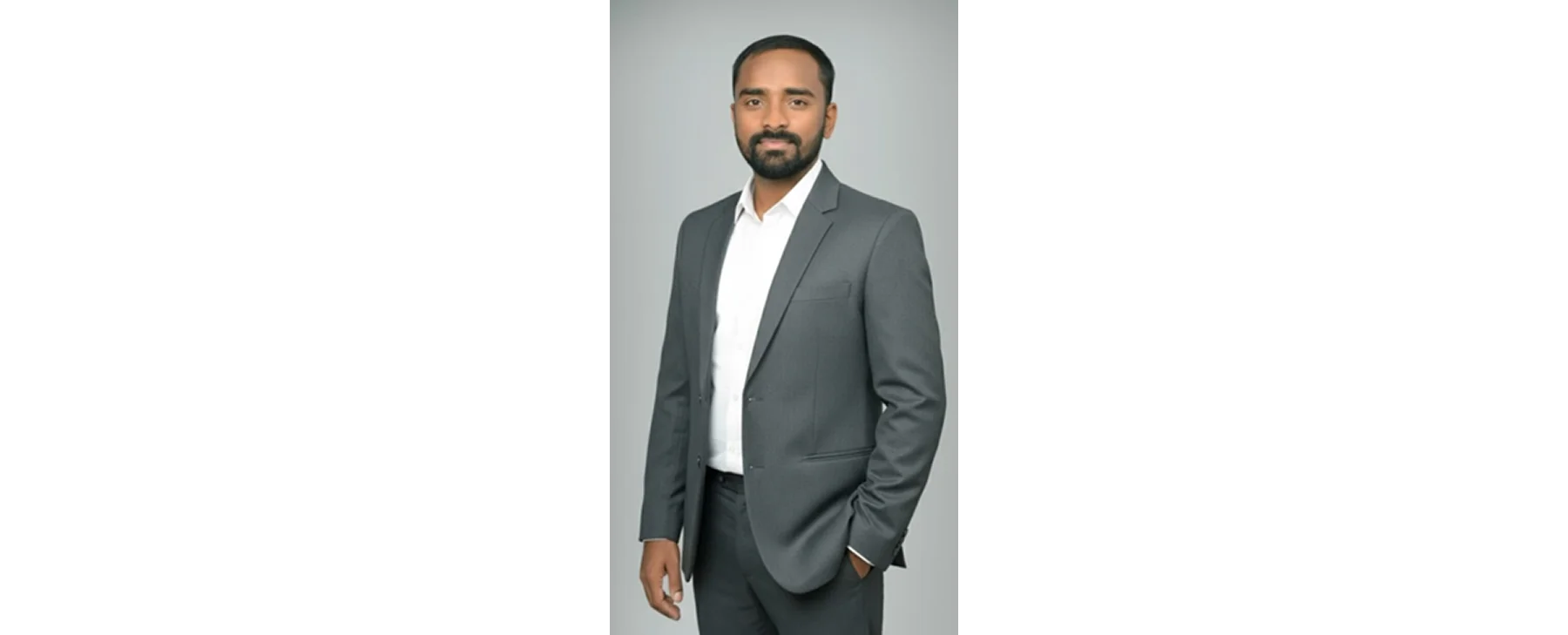
Pawan Sharma is a biomechanical restoration and human performance specialist and the originator of the LCMSC–Sharma Protocol. His work focuses on system-based rehabilitation, structured load management, and functional reintegration across high-demand executive, athletic, and non-athletic populations. Over six years of applied rehabilitation refinement, he developed a structured
load-progression continuum designed to bridge surgical and conservative recovery pathways. His work emphasizes precision, discretion, and capacity-based progression within controlled clinical environments. The LCMSC–Sharma Protocol represents a sequenced rehabilitation framework integrating load tolerance calibration, neuromuscular coordination, strength progression, and high-performance reintegration under monitored mechanical demand.

