

Trauma of Seafarers in Today’s War Scenario
By Prashantha Naveen Karkera, Author
The sea has always represented movement, connection and opportunity. Every day, thousands of seafarers leave their homes and families behind to keep global trade moving. They work quietly, often far away from public attention, carrying essential goods across some of the world’s most challenging waters.
But today, for many seafarers, the sea is no longer simply a workplace. It has become a place of uncertainty, fear, and trauma.
The ongoing conflicts and security threats in regions such as the Red Sea and the Black Sea have once again highlighted the vulnerability of those who work onboard commercial vessels. Drone attacks, missile threats, military confrontations and the possibility of being caught in the middle of a conflict have created a frightening reality for crews who are simply trying to do their jobs.
For author Prashantha Naveen Karkera, this reality is deeply personal.
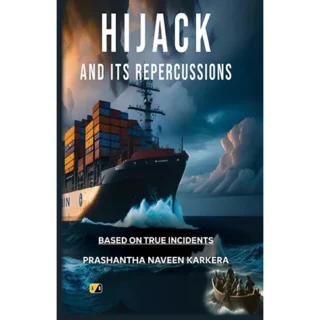
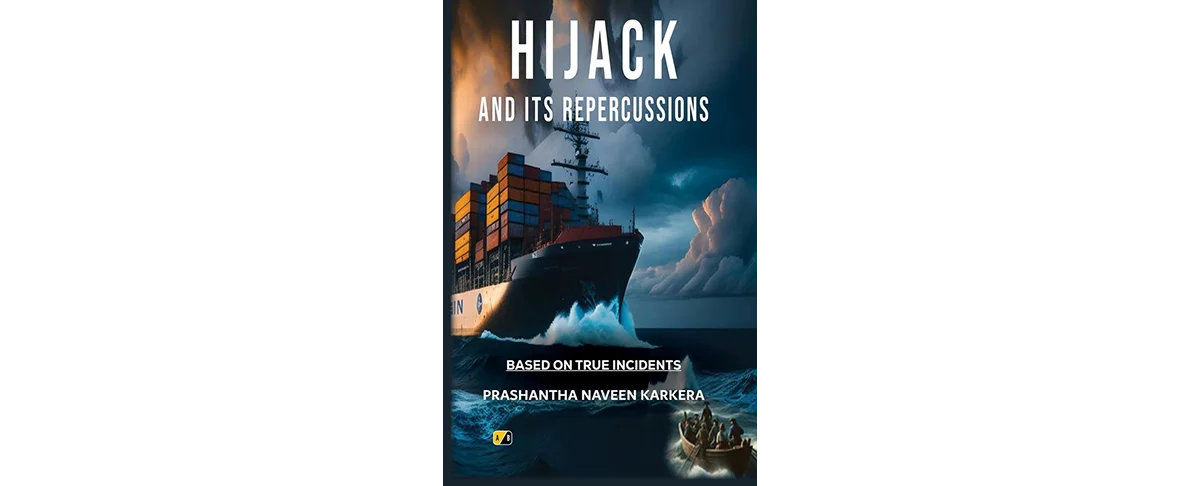
Her connection with the dangers faced by seafarers goes back decades. Her book, Hijack and Its Repercussions, documents a true hijacking incident from 1998 and brings attention to the experiences of the crew members who lived through those terrifying days.
Remembering the Unsung Crew
When people hear about a ship being hijacked or attacked, attention often goes to the vessel, the cargo, the geopolitical situation or the negotiations that follow. What can easily be forgotten are the people onboard—the crew members who suddenly find themselves trapped in circumstances beyond their control.
Karkera wanted to change that.
Her motivation for writing about the 1998 incident came from a desire to ensure that the experiences of these often-unsung individuals were not forgotten. Behind every ship is a crew. Behind every crew member is a family waiting anxiously at home.
For the people onboard, danger at sea is not a headline. It is a lived experience.
Writing about those events was not easy. For Karkera, documenting the incident meant reliving terrifying days and nights that had left a lasting impression. Memories that had been buried with time had to be revisited and examined in order to tell the story honestly.
Yet, She believed that the story needed to be told.
Why a 1998 Story Still Matters Today
Although the hijacking described in Hijack and Its Repercussions happened in 1998, its message remains remarkably relevant.
The nature of maritime threats may have changed, but the human consequences remain familiar. Today, seafarers may face drone attacks, missiles, armed conflicts and unpredictable security situations. The technology and weapons may be different, but the fear experienced by the people onboard remains deeply human.
A seafarer who hears an explosion nearby or knows that a vessel could come under attack does not experience the situation as an abstract geopolitical event. They experience it as a threat to their life.
That is why stories from the past continue to matter. They allow us to understand what statistics and news reports often cannot—the psychological and emotional impact of living through danger at sea.
Giving a Voice to Those Who Were There
Karkera holds a Master’s degree in International Politics from the University of Bombay, a background that gives her an additional perspective on the relationship between international conflicts and the people affected by them.
But Hijack and Its Repercussions is not simply an account of an incident. At its heart, it is a story about people.
It is about courage, uncertainty, survival and the psychological consequences of experiencing something that most people can only imagine.
Through the book, Karkera hopes readers will look beyond the word “hijacking” and understand the human beings behind the incident.
She wants the story of the 1998 hijacking to reach a wider audience, particularly at a time when the safety of seafarers has once again become an international concern.
The Sea Remembers
The world depends heavily on maritime trade, yet the people who make that system possible often remain invisible. Seafarers spend months away from their families, working in demanding environments and, in times of conflict, facing risks that can extend far beyond the ordinary challenges of their profession.
The situation in conflict-affected maritime regions is a reminder that their safety and mental well-being deserve greater attention.
For Prashantha Naveen Karkera, telling her story is one way of keeping that conversation alive.
Her book is a reminder that history is not simply about dates, ships and events. History is also about the people who lived through it.
And sometimes, the stories that deserve to be remembered most are those of the people who never asked to become part of history—but found themselves there anyway.
To learn more about Prashantha Naveen Karkera read her book Hijack and Its Repercussions, the book is available on Amazon.
Contact: 9869308969
Hijack: And Its Repercussions
YouTube: