


Skip links
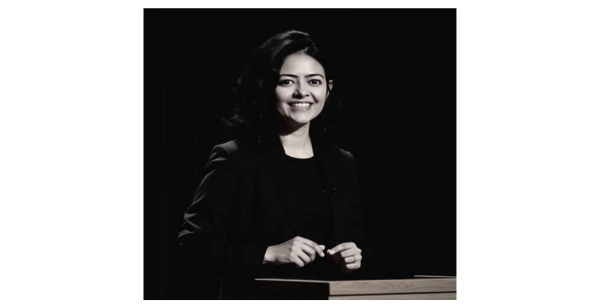
Nirali Soni

Nirali Soni Explores AI’s Role in Creativity

Whose Creativity Counts? Rethinking Authenticity in the Age of AI Design

By Nirali Soni – Professor at Anant National University, Design Educator, Interior Designer, and Artist

In today’s rapidly evolving digital world, the line between human imagination and machine-generated creation is blurrier than ever. As artificial intelligence steps beyond being just a tool and becomes a creative collaborator, it forces us to ask—what defines authenticity in design? Can machines truly be creative, or is creativity still an inherently human trait?

With over a decade of experience in the design industry and academia, I’ve witnessed firsthand how design thinking has evolved. A recent turning point for me was a student workshop where speculative cities were co-created using AI tools. Watching the interplay of machine logic and human imagination unfold, I began to deeply question the boundaries of authorship and originality.

What Is Creativity?

Traditionally, creativity is seen as an innate, almost mystical ability exclusive to humans—one fueled by emotion, lived experiences, and intuition. However, at its core, creativity is the ability to connect disparate ideas, solve problems, and produce something meaningful and original. Today, machines are doing just that—learning from massive data sets and generating results that often surprise us.

So, if both humans and machines rely on past knowledge to create new outcomes, what sets human creativity apart?

Can Machines Be Truly Creative?

Critics argue that AI lacks soul. It doesn’t feel pain, joy, or nostalgia. It cannot have a “creative intention” or understand the cultural nuance of its outputs. Yet, humans too build on existing frameworks—designers reimagine Bauhaus principles, and artists echo movements of the past. Even our boldest creations are often reinterpretations.

Interestingly, AI can offer perspectives that we may overlook. When a machine designs a structure that challenges architectural norms or composes music that deeply moves us—should we not consider that creative? Or do we disregard it simply because it lacks a human origin?

Why Human Creativity Is Still Trusted More

The emotional and ethical depth of human-generated work often gives it a perceived authenticity. We trust what is “felt,” not just what is functional. But the irony is: if a machine-generated poem brings tears or an AI-designed room makes us feel at peace, do the origins really matter?

In truth, creativity may be less about who made it and more about how it’s experienced. As I often tell my students, “Creativity is no longer about ownership—it’s about experience.”

Who Owns Machine-Made Design?

This brings us to another critical question: who owns the creative credit in AI-generated work? Is it the programmer, the user guiding the prompt, or the AI itself? This is a gray area being actively debated across the design, legal, and tech communities.

As educators and creators, it’s our responsibility to explore and even redefine these boundaries. At Anant National University, I strive to embed such questions into our curriculum, encouraging students to see machines not as threats but as partners in a broader, richer creative journey.


Overcoming Resistance

Introducing AI into traditional design environments is not without struggle. There is skepticism from peers and students who fear AI will dilute originality or devalue cultural identity. My challenge has been to shift this mindset—emphasizing that when used responsibly, AI enhances human potential rather than replaces it.

Toward a Collaborative Future

True progress lies in collaboration. Machines offer computational power, data-driven insights, and boundless iteration. Humans bring empathy, ethics, and emotional resonance. Together, we can push the boundaries of design and redefine what creativity looks like in the 21st century.

Final Thoughts

In an age where machines can generate art, design interiors, and tell compelling stories, it’s time we reframe our understanding of creativity. Rather than asking whether machines can be creative, perhaps we should ask how their creativity can coexist with and elevate our own.

Because ultimately, the most powerful creations—those that surprise, inspire, and move us—may come not from man or machine alone, but from their union.

Follow Nirali Soni:
Design Studio Instagram | Personal Instagram
Title: Professor at Anant National University
Field: Interior Design, Art, AI in Education


Mengapa Data Historis Mahjong Ways Perlu Dibaca dengan Konteks Sebelum Digunakan sebagai Bahan AnalisisMengapa Urutan Simbol pada Mahjong Ways Tidak Selalu Menggambarkan Kecenderungan Putaran BerikutnyaPerubahan Antarmuka Mahjong Ways dan Dampaknya terhadap Cara Pengguna Mengenali Fitur PermainanKemunculan Simbol Berturut pada Mahjong Ways dan Cara Melihatnya dari Perspektif Probabilitas5 Elemen yang Membentuk Pengalaman Visual Mahjong Ways di Tengah Perkembangan Game DigitalPerkembangan Pengalaman Pengguna Mahjong Ways Mengikuti Perubahan Teknologi Platform DigitalMembaca Data Mahjong Ways Secara Lebih Objektif dengan Memisahkan Variasi Acak dan Persepsi PolaBagaimana Variasi Acak Membentuk Perbedaan Hasil Mahjong Ways dari Satu Sesi ke Sesi LainnyaMahjong Ways dan Peran Sistem Digital dalam Membentuk Pengalaman Permainan yang Lebih ResponsifMahjong Ways dan Perbedaan Karakter Hasil yang Terlihat pada Sesi Pendek dan Sesi PanjangTeknologi Grafis Membawa Perubahan pada Presentasi Mahjong Ways di Ekosistem Game MobileCatatan Sesi Mahjong Ways Menjadi Cara Sederhana untuk Mengamati Perubahan Hasil dari Waktu ke WaktuCara Memahami Perubahan Hasil Mahjong Ways Tanpa Mengandalkan Pengamatan dari Beberapa Putaran SajaPerbandingan Mahjong Ways Berdasarkan Fitur Memberikan Gambaran Berbeda dari Sekadar Melihat TampilanMahjong Ways dalam Perspektif Permainan Digital: Simbol, Volatilitas, Teknologi, dan Pengalaman PenggunaPeran Scatter dan Wild dalam Membentuk Struktur Fitur Mahjong Ways Secara KeseluruhanMengamati Perubahan Pola Mahjong Ways melalui Kombinasi Data, Rentang Waktu, dan Konteks yang TepatMahjong Ways dan Pergeseran Preferensi Pengguna terhadap Permainan dengan Tema Tradisional ModernKetika Unsur Tradisional dan Teknologi Modern Bertemu dalam Pengembangan Mahjong WaysEvolusi Mahjong Ways Menunjukkan Bagaimana Game Reel Beradaptasi dengan Perkembangan Platform Mobile
Evolusi Tampilan MahjongTradisi Mahjong di Era DigitalDesain Interaktif MahjongIdentitas Visual MahjongTransformasi Tampilan MahjongFenomena Hadiah Saldo DANAEvent Sweet BonanzaSimbol Keberuntungan Sweet BonanzaCerita Visual Sweet BonanzaBlack Scatter Mahjong Wins 3kemunculan scatter hitam Mahjong Wins 3fungsi wild dalam rangkaian gugurperan simbol wild Mahjong Ways 2perbedaan aturan scatter antar gameRTP dan scatter Mahjong Winsmembaca riwayat putarancara kerja RNG pada slotkekeliruan membaca RTPkecepatan spin dan peluang scattermenetapkan batas anggaranProporsi Spasial Gates of Olympus Menyeimbangkan Ukuran Elemen AntarbidangRasio Konsentrasi Mahjong Wins 2 Menilai Dominansi Elemen ObservasionalRefleksi Difus Starlight Princess 1000 Menghaluskan Penyebaran Cahaya AntarbidangRTP Membandingkan Simpangan Sampel pada Durasi Observasi BerbedaScatter Hitam Membandingkan Distribusi Jarak melalui Interval Kejadian BerurutanSegmentasi Kalender Mahjong Kasino Online Mengelompokkan Rekaman berdasarkan PeriodeSiluet Organik Lucky Neko Mempertegas Identitas Bentuk Setiap ObjekStabilitas RTP Live Ditelaah melalui Perubahan Ukuran Sampel ObservasionalStarlight Princess 1000 Mengolah Gradien Cahaya untuk Mempertegas DimensiStrategi Validasi Temporal Menguji Model pada Urutan Periode BerbedaArsitektur Mahjong Kasino Digital Mengatur Aliran Informasi AntarprosesEstimasi Mahjong Ways 2 Membandingkan Variasi pada Kelompok ObservasiInfrastruktur Kasino Online Menyeimbangkan Distribusi Beban Antarserver AktifIntegrasi Live Casino Menghubungkan Aliran Data dari Beberapa SumberKasino Online Mengoptimalkan Connection Routing berdasarkan Kepadatan PermintaanKasino Online Mengukur Stabilitas Server pada Lonjakan Trafik BersamaanKlasifikasi Mahjong Wins 3 Menyusun Kelompok Berdasarkan Kedekatan KarakteristikKonfigurasi Pragmatic Play Menyesuaikan Resource Allocation berdasarkan Kepadatan TrafikLive Casino Memantau Sinkronisasi Data Antarstream secara BerkelanjutanLive Casino Mengukur Latensi Transmisi pada Interaksi Waktu NyataInstrumentasi PG Soft Mengumpulkan Indikator Kinerja dari Komponen TerdistribusiKasino Online Mengembangkan Load Distribution untuk Pemerataan Pemrosesan SistemKolorimetri Sweet Bonanza 1000 Mengukur Perbedaan Nuansa Antarobjek GrafisKonfidensi RTP Menggambarkan Ketidakpastian Estimasi pada Sampel TerbatasKontainerisasi Kasino Online Mengisolasi Proses dalam Lingkungan Layanan MandiriKontinguitas Mahjong Ways 2 Menggambarkan Keberlanjutan Elemen AntarsegmenKonturisasi Wild Bandito Memisahkan Batas Objek pada Bidang GrafisKromatisitas Lucky Neko Memperjelas Hubungan Warna dalam Susunan GrafisLive Casino Menelaah Konsistensi Paket melalui Interval Transmisi BerurutanLucky Neko Menyusun Kontras Tonal melalui Distribusi Elemen VisualMahjong Kasino Online Mengukur Kepadatan Aktivitas pada Interval KronologisMahjong Ways 2 Menelaah Keteraturan Formasi melalui Indeks KonsentrasiMahjong Wins 2 Menelusuri Pergeseran Simbol melalui Urutan KategorikalMahjong Wins 3 Mengevaluasi Kestabilan Komposisi melalui Sampel BerlapisMonte Carlo Mengestimasi Ketidakpastian melalui Simulasi Sampel BerulangParametrisasi Pragmatic Play Menyesuaikan Variabel Sistem untuk Evaluasi KomparatifPeriodisasi Aktivitas Mahjong Kasino Online Membentuk Kelompok Waktu TerukurPG Soft Mengembangkan Observabilitas Infrastruktur melalui Metrik Operasional TerpaduPragmatic Play Menata Parameter Evaluasi melalui Kerangka Komputasi TerstrukturPrefetching Game Digital Menyiapkan Sumber Daya sebelum Permintaan Aktif
Explore
Drag