



Skip links
Sowilo

NVIDIA Comes for the MacBook

NVIDIA enters the one computing market it never owned

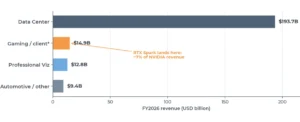
NVI DI A is, today, close to a single-product company: the chips it sells to data centres for artificial intelli-gence were about $193.7 billion of its $215.9 billion FY2026 revenue, close to 90% of the business, while everything it sells for personal computers was only about $15 billion. On 31 May 2026, at a major technolo-gy show in Taipei, it moved on the last big computing market it did not already own. NVIDIA unveiled RTX Spark, its first chip built to power personal computers: a single, unusually powerful chip that puts a fast processor and NVIDIA’s world-leading graphics-and-AI engine into one package, going inside premium Windows laptops that ship in the autumn of 2026. Microsoft launched it alongside, with its Surface Laptop Ultra as the flagship machine. I nvestors read it as the start of a new chapter. NVIDIA and Arm, the firm whose chip design it builds on, together added roughly $360 billion of market value in the two trading days around the announcement, with NVIDIA up about 5% on the day. The investment question is not whether the chip is good. I t is whether NVI DI A’s move into the personal computer is a new growth engine worth $360

billion, or a strategically important rounding error. This note argues it is the latter on the numbers and the for-mer on the moat, and that the cleaner trades sit next door, at Apple, Microsoft and Qualcomm.

$5.4T

N VI DI A M ARKET CAP

World’s most valuable company, 2 Jun 2026

~90%

DATA CEN TER

Share of NVIDIA FY2026 revenue

~7%

GAM I N G & CLI EN T

Where RTX Spark sits in the mix

+$360B

ADDED ON LAU N CH

Combined NVDA + Arm cap, two sessions

The core insight. The personal computer is the last big computing market NVI DI A did not control. I t already powers the data centres behind AI and the graphics inside gaming machines; RTX Spark completes the set, putting everything NVIDIA makes, the processor, the graphics-and-AI engine and its software, inside a thin laptop. That matters for the long-term position. But NVI DI A sells a chip, not a finished computer. Even a runaway success in laptops is a tiny slice next to $193.7 billion of data-centre sales, and each customer who switches is worth far more to the company they leave than to NVIDIA. The share-price jump has run ahead of the arithmetic. The rest of this note sizes the gap.

Chart 1: NVIDIA is a data-centre company. RTX Spark plugs into the small client line. FY2026 revenue by segment (USD bn)
Sowilo

Source: NVIDIA Q4 FY2026 results (fiscal year ended late January 2026), Data Center ~$193.7bn of $215.9bn total. *Gaming/client shown as the Q4 FY2026 Gaming run-rate ($3.727bn) annualised to ~$14.9bn; RTX Spark client systems would sit inside this line. Professional Visualization and Automotive/other annualised from Q4 segment prints.

Why the MacBook moat is, for the first time, contestable

For a decade the high-end laptop has been Apple’s by default. Apple’s own in-house chips gave its MacBooks fast performance in a thin, silent, long-battery-life machine, its software kept customers from leaving, and it was the whole package, not any single part, that made it hard to beat. MacBooks are more than half of US premium ($1,000-plus) laptop purchases, and the Mac brought in $33.7 billion of revenue in FY2025. RTX Spark is the first serious answer. I ts decisive advantage is that it runs NVI DI A’s software, the toolkit on which al-most all of the world’s AI is built, which Apple’s machines have never been able to use. For anyone who wants to build or run AI on their own laptop rather than over the internet, that is a real reason to switch, and it aims at exactly the high-end customer Apple has spent years cultivating. Microsoft supplies the other half: a version of Windows rebuilt around AI assistants that can carry out tasks for you, with the Surface Laptop Ultra as the showcase machine.

The advantage is dented, not decisive. Early speed tests put NVIDIA’s new chip roughly level with an Apple chip from two years ago, Apple’s top chip still moves data about twice as fast, and the laptops run a new-er style of Windows on which many existing programs need adapting before they run smoothly. The price does not help: the high-end models are expected to start above $2,899 and cheaper ones near $1,799,

right in MacBook Pro territory rather than undercutting it. The fair near-term verdict is the one industry ana-lyst Ming-Chi Kuo offered: a solid alternative to the Mac for running AI on your own machine, but a niche product.

The bull case is the size of the prize, out to 2030

What the $360 billion jump is really paying for is a foothold in a market NVI DI A has never sold into. The per-sonal-computer market is roughly 270 million machines and $274 billion a year; computers able to run AI on their own cross about 55% of shipments in 2026, around 143 million machines; and the retirement of Windows 10 in October 2025 is pushing a multi-year wave of upgrades. The firm behind this new style of chip aims to take more than half of the Windows market by 2029. I f NVI DI A wins the premium, AI -heavy top

end of that market at a high price per chip, it is a new multi-billion-dollar business sitting on top of the data-centre engine, and it has already promised a faster new generation roughly every year out to 2029. That future possibility, not this year’s sales, is the optimistic case. The cautious case is that the same arithmetic that

makes the data-centre business extraordinary makes the computer business too small to matter.

“The PC is being reinvented. RTX Spark brings everything NVIDIA has built, CUDA, RTX, our AI platform, into a single superchip. With RTX Spark and Microsoft Windows, you ask, and the PC does the work.”

JENSEN HUANG · NVI DI A, COMPUTEX TAI PEI · 31 MAY 2026

Read the partnership carefully. The product needs both names. NVI DI A brings the chip and its software; Microsoft brings Windows, the relationships with every laptop maker, and the AI-assistant features that give people a reason to upgrade. For NVI DI A this is one more product line. For Microsoft it is the first MacBook-class flagship Windows has had in years, and the centrepiece of its plan to put an AI assistant at the heart of Windows. The two companies are not equally affected by whether RTX Spark sells, which is the thread we pull in Section 6.

The P&L reality check: a chip, not a computer

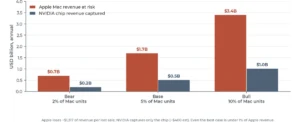
Here the numbers cool the story. NVIDIA does not sell the laptop; it sells the chip to laptop makers like Dell, HP, Lenovo, ASUS and Microsoft, and keeps only the profit on that chip while the laptop maker keeps the profit on the whole machine. Apple is the opposite: it builds the entire machine itself and keeps all the profit, an estimated $1,317 of revenue for every Mac sold. So a high-end buyer who switches from a MacBook to an RTX Spark laptop costs Apple about $1,317 of revenue but hands NVIDIA only an estimat-ed $400 chip. The lost sale is real, but value disappears across the pair: the money that leaves Apple does not

turn up at NVI DI A in anything like the same size. Wolfe Research put the share-price jump in perspective bluntly, and tellingly, the only brokers who raised their price targets after the launch did so for Arm, which earns a small fee on every chip, not for NVIDIA itself.

Chart 2: The mismatch. Apple loses far more per lost sale than NVIDIA gains. Annual $bn at risk vs captured, by scenario
Sowilo

Sowilo estimates. Base: Mac 25.6m units and $33.71bn revenue (FY2025), implied ASP ~$1,317 (Apple discloses neither units nor ASP; IDC units, calen-dar 2025). NVIDIA captured chip ASP assumed ~$400 (no public BOM; well above the ~$50-100 of a Snapdragon part given the large Blackwell GPU). Scenarios = share of would-be Mac buyers diverted to RTX Spark Windows laptops over two to three years.

“Around $360 billion of combined market cap for a PC entry priced above $2,500 implies roughly $1.3 billion ofvalue for every PC sold per year. We see a very limited unit opportunity. The launch is unlikely to move NVIDIA shares.”

CHRI S CASO · WOLFE RESEARCH · JUNE 2026

How much can actually be taken from Apple

The fairest way to size this is to look at what happened last time. The previous laptop to use this new style of chip, from Qualcomm, won just 0.8% of all PCs even after a full launch, and passed 10% only among prici-er $800-plus laptops; industry researchers expect this whole new chip category to stay under 13% of the market in 2025, against about 87% still using the traditional design. RTX Spark starts from a stronger posi-tion than Qualcomm did, NVI DI A’s brand and graphics, Qualcomm’s lock on Windows now expired, and far better software for running existing programs, but a higher price. On that track record we sketch three cas-es for the share of Mac sales NVIDIA pulls away over two to three years: a cautious 2%, a middle 5%, and an optimistic 10%. Even the optimistic case is about 2.6 million machines, roughly $3.4 billion, under 1% of Apple’s total revenue, and the Mac is only about 8% of Apple to begin with. The share NVI DI A can take is genuine. The money involved is small on both sides, and smaller for NVI DI A than for Apple.

Chart 3: Ambition versus the track record. Where this new kind of Windows chip sits today against the >50%-by-2029 target

Source: Snapdragon X share Q3 2024 (Counterpoint / industry data via Tom’s Hardware); Arm-on-Windows 2025 ceiling (ABI Research); >50%-by-2029 ambition (Arm CEO Rene Haas, Reuters, 2024). The 50% bar is a stated target, not a forecast or a print.

Sowilo’s read

Three conclusions for how to position around the rise of NVI DI A in computing.

We value NVIDIA for its AI-fuelling chip business. The investment case is still the roughly $194 billion AI business that powers data centres. RTX Spark strengthens NVI DI A’s long-term position, it puts its software in one more place and adds a fourth growth leg with a roadmap out to 2030, but it is not a meaningful profit dri-ver in 2026 or 2027. We believe the market is going through interesting times and has started assigning sub-stantial value to the personal computer too, while we would still prefer to value the franchise for its AI -fuelling chip business. We also believe the whole AI value chain has become very pricey, and it generally does not fit our philosophy of deep value investing.

The threat to Apple is to the story before it is to the profits. The Mac is about 8% of Apple and the realistic loss is under 1% of revenue, so this is not an earnings event. The real exposure is to perception: Apple is widely seen as behind in AI , its long-promised Siri upgrade has slipped into 2026, and RTX Spark lets a Windows lap-top claim the lead in running AI on your own machine. That is a story that can weigh on Apple’s valuation be-fore it ever shows up in the numbers, and it is the thing to watch at Apple’s developer conference.

The clearer opportunities are at the edges. Microsoft is the quiet winner: it finally has a MacBook-class flagship for Windows and a centrepiece for its AI -assistant plans, even though laptops are a small part of a company driven by a roughly $169 billion cloud business. Qualcomm is the loser: the new-style Windows lap-top was meant to be its growth story, and it has just lost its most powerful future rival to NVI DI A, which the market marked on day one by sending Qualcomm’s shares down about 7% while NVI DI A rose. The straight NVI DI A bet here is small. The trades around it, long the winners and wary of the loser, are where the launch actually moves value.

What to watch. How well RTX Spark laptops actually sell, and at what price, this autumn against the

$2,500-plus starting point; whether NVIDIA ever reports its computer-chip sales as a separate line, the sign they are becoming big enough to matter; Apple’s AI response at its developer conference and any answer such as a Mac with more built-in memory; and the reviews of Microsoft’s Surface Laptop Ultra as the test of whether this new kind of Windows laptop has finally produced a genuine MacBook rival, or just another niche.

Regards,
Team Sowilo

Disclaimer: Any information contained in this material represents Sowilo’s views and research analysis and shall not be deemed to constitute advice, an offer to sell or purchase, or an invitation or solicitation to do so, for the securities of any entity. Sowilo Investment Managers LLP and its employees

and directors shall not be liable for any loss, damage or liability whatsoever, direct or indirect, arising from the use of this information. Sowilo Investment Managers LLP, SEBI Registered Portfolio Manager (INPO00008127). www.sowilo.co.in – SEBI Registered PMS Company in India


Negativity Bias pada Mahjong Ways Menjelaskan Mengapa Kekalahan Lebih Mudah Membekas dan Memengaruhi Keputusan Sesi BerikutnyaSic Bo Digital Dikaji melalui Probabilitas Dadu untuk Memisahkan Peluang Matematis dari Ekspektasi Perubahan SaldoRegulasi Game Online Makin Ketat, Strategi Pemain Kini Perlu Memperhatikan Keamanan Platform dan Transparansi RTP LiveRisiko Kasino Digital Bergeser, Pemain Mulai Menggabungkan Taktik Spin dengan Pengelolaan Akun dan Batas ModalKetidakpastian Ekonomi Global Membuat Strategi Bermain Lebih Selektif, RTP Live dan Batas Sesi Mulai Banyak DiperhatikanPerubahan Suku Bunga dan Tekanan Pasar Mengingatkan Pentingnya Manajemen Modal saat Menyusun Taktik Spin SlotBiaya Hidup Masih Jadi Perhatian, Strategi Slot Berbasis Batas Modal Lebih Relevan daripada Mengejar Momentum SesaatVolatilitas Slot Bergerak Dinamis, Begini Cara Membaca RTP Live sebelum Mengubah Strategi Spin di Tengah SesiTransparansi Transaksi Makin Disorot, Pemain Kini Lebih Selektif Memilih Platform sebelum Menganalisis RTP dan Pola PermainanAI Kasino Online Berkembang, Analitik Real-Time Mulai Membantu Membaca RTP Live, Trafik, dan Ritme Sesi secara Lebih TerukurAnalitik Real-Time Mengubah Cara Pemain Mengevaluasi Strategi Spin, Momentum Scatter, dan Perubahan Ritme PermainanMahjong Ways 3 Hadir dengan Struktur Simbol Lebih Kompleks, Taktik Spin Kini Banyak Membahas Tumble, Scatter, dan VolatilitasRTP Live Pragmatic Play Bergerak Dinamis, Pemain Mulai Membandingkan Ritme Spin sebelum Mengubah Strategi SesiStatistik Adaptif Membantu Membaca Volatilitas Slot, tetapi Strategi Spin Tetap Perlu Memperhitungkan Variansi HasilAlgoritma Real-Time Membuat Permainan Makin Dinamis, Pemain Kini Lebih Fokus pada RTP Live dan Pengelolaan SesiScatter Modern Mulai Dikaji lewat Probabilitas, Begini Cara Membaca Frekuensi Bonus tanpa Menganggapnya Pola PastiEngine Kasino Online Berevolusi, Strategi Pemain Bergeser ke Analisis RTP Live, Durasi Sesi, dan Batas SpinDesain Visual Slot Makin Interaktif, Pemain Perlu Memisahkan Efek Animasi dari Momentum yang Benar-Benar Terlihat pada DataFluktuasi RTP Live Ditelaah Lebih Granular, Strategi Spin Jangka Pendek dan Panjang Mulai Dibedakan PemainSistem Analitik Real-Time Membantu Memantau RTP, Scatter, dan Ritme Spin tanpa Menjadikannya Ramalan HasilVolatilitas Game Jadi Dasar Baru Membandingkan Slot, dari Strategi Spin Bertahap hingga Pengelolaan Batas ModalPola Harian Slot Mulai Ditinggalkan, Pemain Kini Lebih Banyak Membahas Statistik, RTP Live, dan Taktik Spin Berbasis DataSugar Rush Ditelaah melalui Simulasi Probabilistik untuk Membaca Variansi Putaran tanpa Menjanjikan Strategi KemenanganPerubahan RTP dalam Siklus Aktivitas Dikaji melalui Data Berkala agar Fluktuasi Sesi Pendek Tidak Disalahartikan sebagai TrenPragmatic Play Kembali Jadi Sorotan setelah Mekanisme Gamenya Mulai BerubahBlackjack dan Mahjong Wins Menunjukkan Mengapa Probabilitas Lebih Penting daripada Prediksi KemenanganMahjong Ways Kembali Ramai Dibahas, Strategi Spin Kini Lebih Banyak Mengandalkan RTP Live, Volatilitas, dan Ritme TumbleKalkulasi Granular Membuka Cara Baru Membaca RTP Live dan Distribusi Hasil tanpa Terjebak Pola Putaran SesaatKinerja Slot Harian Mulai Dibandingkan melalui RTP Live, Volatilitas, dan Perubahan Ritme Spin dalam Satu SesiPerilaku Pemain Berubah saat Mekanisme Slot Makin Kompleks, Strategi Observasi dan Batas Spin Jadi Lebih DiperhatikanMahjong Ways Kembali Populer, Visual Simbol, Scatter, dan Tumble Kini Jadi Fokus Analisis Strategi PermainanStrategi Slot Modern Bergeser ke Analisis Risiko, RTP Live, dan Volatilitas untuk Membaca Karakter Sesi secara Lebih RasionalTransformasi Gaming Global Membawa Strategi Baru dalam Membaca Momentum, Interaksi, dan Ritme Permainan DigitalPutaran Nonlinier pada Slot Modern Membuat Taktik Spin Bertahap dan Evaluasi Volatilitas Makin Banyak DibahasRitme Permainan Berubah Cepat, Pemain Mulai Membandingkan RTP Live dengan Variansi Spin sebelum Mengubah StrategiMonitoring Real-Time Membantu Membaca Stabilitas RTP dan Perubahan Aktivitas tanpa Menjadikannya Prediksi KemenanganRTP Pragmatic Play Kembali Jadi Sorotan, Strategi Spin Kini Banyak Membahas Volatilitas, Scatter, dan Durasi SesiSpin Mahjong Ways 2 Tidak Menjamin Maxwin, Strategi Lebih Rasional Fokus pada RTP Live, Batas Modal, dan VariansiMinat terhadap RTP Live Meningkat, Pemain Mulai Membandingkan Data Sesi sebelum Menentukan Taktik Spin BerikutnyaMonitoring PG Soft Semakin Berkembang, RTP Live dan Ritme Permainan Kini Bisa Dianalisis dengan Data yang Lebih TerstrukturPG Soft Memperkuat Backend dan Monitoring saat Pemain Makin Aktif Membaca RTP Live, Tempo Spin, dan Stabilitas PermainanStatistik Granular Membuka Pembacaan Baru tentang Momentum Slot tanpa Menganggap Perubahan RTP sebagai Sinyal MenangTeori Keputusan Rasional Membantu Membaca RTP Live dan Peluang Bonus tanpa Terjebak Ekspektasi dari Beberapa SpinStrategi Observasi Bertahap Jadi Tren Baru untuk Membaca Ritme Spin, Scatter, dan Perubahan RTP Live dalam Satu SesiTransformasi Gaming Mengubah Kebiasaan Pemain, dari Mengejar Pola Spin menuju Analisis RTP, Volatilitas, dan RisikoMetode Kuantitatif Membantu Mengukur Penyimpangan RTP dan Variansi Hasil agar Strategi Tidak Dibangun dari Sampel Putaran PendekSentimen Pemain Tidak Menentukan Hasil seperti Optimisme Pasar Tidak Menjamin Arah HargaBelief Perseverance Mahjong Ways Menggambarkan Sulitnya Mengubah Keyakinan setelah Data Baru MunculModernisasi Platform Kasino Berjalan saat Emiten Digital Memperkuat Cloud AI dan AnalitikMahjong Ways Berubah Lagi, Infrastruktur dan Mekanisme Digitalnya Mulai Banyak Dikulik PemainAudit RTP Makin Disorot setelah Pemain Mulai Mempertanyakan Konsistensi Data PermainanStatistik Real Time Membuka Perubahan Ritme Game yang Sulit Terlihat dari Sesi SingkatBaccarat Digital Punya Risiko Berbeda, Mekanisme Banker Jadi Bagian yang Sering DisalahpahamiAnalisis Temporal Mulai Dipakai untuk Membongkar Stabilitas Game Online dari Waktu ke WaktuSicbo dan Mahjong Ways Ternyata Punya Struktur Probabilitas yang Jauh BerbedaTransformasi Algoritma dan RTP Live Membuka Babak Baru dalam Strategi Membaca Ritme Permainan DigitalScatter Hitam Mahjong Ramai Dianalisis, Frekuensi Simbol dan Distribusi Statistik Jadi Fokus Strategi ObservasiJoker Gaming vs PG Soft: Membandingkan RTP, Mekanisme Bonus, Volatilitas, dan Taktik Spin di Perangkat MobileStrategi Adaptif Membantu Pemain Mengevaluasi Perubahan Ritme tanpa Menganggap Beberapa Spin sebagai Pola PastiGame Modern Semakin Kompleks, Pemain Mulai Menyesuaikan Strategi melalui RTP Live, Volatilitas, dan Batas SpinPola Slot yang Ramai di Komunitas Diuji Kembali, Probabilitas dan RTP Live Jadi Pembanding sebelum Mengubah TaktikObservasi Statistik Membuka Cara Baru Membaca Ritme Spin dan Perubahan Aktivitas tanpa Terjebak Momentum SesaatEvolusi Interaksi Pemain Mengubah Strategi Slot, dari Mengejar Pola menuju Analisis Algoritma, RTP, dan RisikoPerubahan Aktivitas Pengguna Mendorong Analitik Real-Time untuk Membaca Momentum, Scatter, dan Pergeseran Ritme SesiMahjong Ways 2 Hadir dengan Ritme Visual Berbeda, Strategi Spin Kini Fokus pada Tumble, Scatter, dan VolatilitasData Real-Time Makin Populer untuk Membaca RTP dan Tempo Permainan, tetapi Tetap Bukan Jaminan Hasil PutaranBackend Slot Makin Stabil, Pemain Tetap Perlu Memisahkan Kecepatan Server dari RTP dan Peluang Dasar PermainanAnalisis Granular Volatilitas Membantu Menentukan Kapan Strategi Spin Perlu Dievaluasi di Tengah Perubahan Ritme SesiEngine Slot Modern Mengubah Ritme Interaksi, Pemain Kini Lebih Aktif Membandingkan RTP Live dan Struktur BonusEvaluasi RNG Menjelaskan Mengapa Strategi Spin Tidak Bisa Bergantung pada Riwayat Putaran dan Pola SesaatKerangka Analitik Gameplay Memadukan RTP Live, Volatilitas, Durasi Sesi, dan Batas Modal untuk Evaluasi Lebih RasionalScatter, Multiplier, dan Bonus Slot Modern Kembali Jadi Sorotan saat Pemain Mengembangkan Taktik Spin Berbasis DataJust World Hypothesis Kasino Menjelaskan Mengapa Pemain Sering Menganggap Setiap Hasil Seharusnya AdilDunning Kruger Mahjong Ways Menunjukkan Mengapa Pengetahuan Terbatas Bisa Membuat Randomness Terlihat MudahPriming Effect Mahjong Ways Menjelaskan Bagaimana Putaran Awal Membentuk Ekspektasi tanpa Mengubah ProbabilitasKasino Digital 2026 Berubah Cepat, RTP Volatilitas dan Backend Kini Sama Sama Jadi SorotanMengapa RTP Berkala Selalu Ramai Dibahas Pemain Slot meski Tidak Bisa Menebak Putaran BerikutnyaProvider Slot Mulai Dibandingkan Lewat Data, Ternyata Karakter Gamenya Bisa Sangat BerbedaTumble Pragmatic Play Masih Jadi Favorit Pembahasan karena Setiap Rangkaian Bisa Terlihat BerbedaHacksaw Gaming Punya Volatilitas Khas yang Sering Membuat Ritme Permainan DisalahartikanEvaluasi Slot Online Modern Beralih ke RTP Live, Volatilitas, dan Transparansi Sistem untuk Menyusun Strategi Spin Lebih RasionalMahjong Ways 2 Kembali Jadi Sorotan, Taktik Spin Kini Membahas RTP Live, Transformasi Simbol, dan Ritme TumbleStrategi Slot Modern Makin Terukur saat Pemain Mulai Membandingkan Risiko, Volatilitas, RTP Live, dan Batas SesiDari Pemula hingga Pemain Berpengalaman, Analisis Slot Kini Bertumpu pada Probabilitas, RTP Live, dan Disiplin SpinPG Soft Perkuat Monitoring Real-Time, Pemain Kini Lebih Mudah Mengamati Ritme Game tanpa Menganggapnya Sinyal MenangTren Slot 2026 Bergeser, Klaim Pola Instan Mulai Ditinggalkan demi Statistik, RTP Live, dan Taktik Spin BertahapData Real-Time Membuka Cara Baru Membaca Ritme Slot, Volatilitas, dan Momentum sebelum Strategi Spin DievaluasiRTP Live dan Statistik Jangka Panjang Jadi Acuan Baru untuk Memahami Karakter Slot tanpa Mengejar Momentum SesaatRTP Pragmatic Play Bergerak Dinamis, Begini Cara Membaca Variansi Hasil sebelum Mengubah Strategi SpinBonus, Scatter, dan Multiplier Slot Generasi Baru Mulai Dibaca Bersama RTP Live untuk Memahami Ritme PermainanCara Membaca Slot Makin Sederhana: Kenali RTP Live, Volatilitas, Scatter, dan Batas Spin sebelum Menentukan StrategiPG Soft Memasuki Era Analitik Modern saat RTP Live, Monitoring Sistem, dan Ritme Spin Semakin Banyak DiamatiFase Mahjong Ways Ramai Dibahas, Pemain Mulai Mengamati Tumble, Scatter, RTP Live, dan Perubahan Tempo SpinPanduan Slot Modern Bergeser dari Pola Instan ke Strategi RTP Live, Manajemen Modal, dan Pemahaman VolatilitasData Jangka Pendek vs Jangka Panjang, Mana yang Lebih Berguna untuk Membaca RTP dan Karakter Slot Online?Kerangka Strategi Slot Digital Memadukan RTP Live, Volatilitas, Batas Modal, dan Evaluasi Sesi secara Lebih TerukurAnalitik Slot Makin Canggih, tetapi RTP Live dan Statistik Tetap Perlu Dibaca tanpa Menganggapnya Jaminan HasilMahjong Ways Kembali Dikaji lewat RTP Live, Distribusi Simbol, Volatilitas, dan Perubahan Ritme di Berbagai SesiPerilaku Pemain Mulai Berubah, Taktik Slot Kini Lebih Banyak Membahas Data, Batas Spin, dan Evaluasi RisikoMahjong Ways 2 Menampilkan Ritme Visual Dinamis, Strategi Spin Kini Fokus pada Scatter, Tumble, RTP Live, dan VolatilitasPemula Mahjong Ways Mulai Mengamati Sesi secara Berbeda setelah Memahami Ritme dan VariansiSimbol Mahjong Ways Bukan Sekadar Hiasan, Desainnya Bisa Membentuk Persepsi PemainRespons Mahjong Ways Mulai Dikulik untuk Memahami Apa yang Terjadi di Balik LayarMahjong Ways pada Jam Berbeda Terlihat Tidak Sama, tetapi Apa yang Sebenarnya BerubahVolatilitas Bisa Membuat Slot Terasa Berbeda meski RTP Tidak Banyak BerubahBudaya Digital bersama Mahjong Wins 3 Menunjukkan Dinamika Kreativitas Masa KiniEvolusi Teknologi Membawa Sistem Game Online Beralih dari Infrastruktur Awal Menuju Era ModernFenomena Teknologi Modern dengan Mahjong Ways Menghadirkan Cara Baru Memahami HiburanKalaburagi Modern melalui Mahjongways Kasino Online Memperkuat Hubungan dalam Dunia DigitalKomponen Baru Pragmatic Play Menarik Perhatian PenggunaKomunitas Inovatif bersama Mahjong Ways 2 Mendorong Lahirnya Gagasan Kreatif BerkelanjutanKonfigurasi Pengambilan Keputusan Rasional Mendukung Konsistensi Performa PenggunaMahjong Ways semakin menarik lewat sentuhan teknologiMelalui Evolusi Digital Mahjong Ways Membawa Perubahan pada Cara Bermain Game Mobile Modern IndonesiaModernisasi Gaya Hidup melalui Mahjongways Mengikuti Arah Transformasi Digital GlobalPartisipasi Pengguna Dipengaruhi oleh Hubungan Komunitas Siber Mahjong Ways dan Tekanan Teman SebayaPemetaan Dinamika Aktivitas Menjadi Langkah Awal Membangun Strategi yang RelevanPengalaman visual Mahjong Ways 2 hadir semakin mulusPersilangan Data dan Simulasi Menghadirkan Sudut Pandang Berbeda terhadap PerencanaanRuang Analisis Digital Menawarkan Inspirasi bagi Penyusunan Langkah OrganisasiAktivitas Kasino Digital Mendorong Lahirnya Pola Interaksi Berbasis Teknologi yang Semakin DinamisElaborasi Analitik Modern Membawa Pendekatan Segar dalam Penyusunan TaktikKemajuan Infrastruktur Teknologi Membuka Ruang bagi Mahjong Ways 2 untuk BerkembangKeseimbangan Data dan Evaluasi Menjadi Kunci Penyusunan Kebijakan yang KonsistenMahjongways Kasino Online Menjadi Inspirasi Lahirnya Ekosistem Hiburan Berbasis DataMahjong Ways Mengiringi Munculnya Pola Baru dalam Aktivitas Hiburan Berbasis TeknologiMemetakan Karakter Data sebagai Titik Awal Penyusunan Strategi Jangka PanjangMenghubungkan Hasil Simulasi dengan Realitas Operasional sebagai Dasar PerencanaanMenimbang Setiap Variabel melalui Pendekatan Analitik yang TerstrukturPerubahan Lanskap Teknologi Menjadikan Mahjong Kasino Digital Sebagai Bagian dari Diskusi PublikAdaptasi Industri Kreatif melalui Mahjong Ways Memberikan Peluang Baru bagi Pelaku DigitalAktivitas Komunitas dengan Mahjongways Mendorong Terciptanya Ruang Kolaborasi DigitalAkumulasi Hasil Observasi Menjadi Fondasi Penyelarasan Program dan Target KinerjaEkosistem Hiburan Interaktif bersama Mahjong Ways 2 Mengalami Pertumbuhan yang BerkelanjutanEvolusi Kebiasaan Rekreasi melalui Mahjongways Kasino Online Menjadi Bagian dari Transformasi Gaya HidupHarmonisasi Informasi dan Evaluasi Menjadi Acuan Penetapan Strategi OrganisasiHubungan Antardata Memberikan Gambaran Menyeluruh terhadap Penyusunan KebijakanKasino Online Menjadi Bagian dari Evolusi Layanan Digital Berbasis Pengalaman PenggunaKeteraturan Alur Data Menjadi Inspirasi Penyusunan Rencana Berorientasi HasilMembingkai Informasi Strategis Menjadi Acuan Penyelarasan Program KerjaMeramu Informasi Digital Menjadi Panduan Pengambilan Keputusan yang AdaptifPenelusuran Siklus Operasional Menjadi Bekal Memahami Karakter Pengambilan KeputusanPraktik Live Casino makin praktis dari berbagai perangkatSistem terbaru Pragmatic Play semakin ramah perangkat mobileTren terbaru Mahjong Wins mengikuti arah teknologi masa depanArah Analisis Terstruktur Membentuk Cara Pandang Baru terhadap Manajemen OrganisasiAsesmen Keamanan Data RTP Live Dilakukan setelah Ditemukan Potensi Keroposan Sistem PertahananAudit Algoritma dan Transparansi Teknologi Menjadi Fokus pada RTP PG SOFTEfisiensi Sistem Berbasis Cloud pada Mahjong Ways Dihubungkan dengan Analisis Data Infrastruktur AdaptifHubungan Waktu Reaksi dan Gaya Bermain Memengaruhi Efektivitas Strategi yang DiterapkanKajian Komputasional PG Soft Mengidentifikasi Dinamika Infrastruktur Modern Berdasarkan Analisis DataKonfigurasi Kerangka Strategis melalui Harmonisasi Informasi dan Aktivitas OperasionalMenyelaraskan Fakta Lapangan dengan Analisis Sistem demi Ketepatan PerencanaanOrkestrasi Evaluasi Organisasi Membentuk Cara Baru dalam Menafsirkan Data OperasionalRefleksi Analitik Membuka Cara Baru Menata Strategi Berdasarkan Bukti Empiris
Explore
Drag